Why Changing Smoke Detector Batteries Doesn't Fix Expired Sensors
Homeowners often rely on a simple chirp to tell them when their fire safety system needs attention. At TrueVolt Electric, we see many properties running on old hardware that gives a false sense of security. Putting a fresh battery into an outdated unit masks a much deeper problem within the device itself. A routine smoke detector replacement involves far more than just swapping alkaline batteries every six months.
The internal components of these devices degrade over time due to dust accumulation and sensor decay. People commonly assume that as long as the test button beeps, the unit is actively monitoring for smoke. Trade knowledge proves otherwise, revealing that expired sensors physically lose their ability to detect airborne particles. This guide breaks down the mechanics of detector failure and the standard replacement timelines you need to follow.
Here is what we cover:
- Sensor Decay: Why components lose sensitivity.
- Expiration Timelines: When to replace the entire unit.
- Hardwired Upgrades: Connecting your system for safety.
Why Internal Sensors Fail
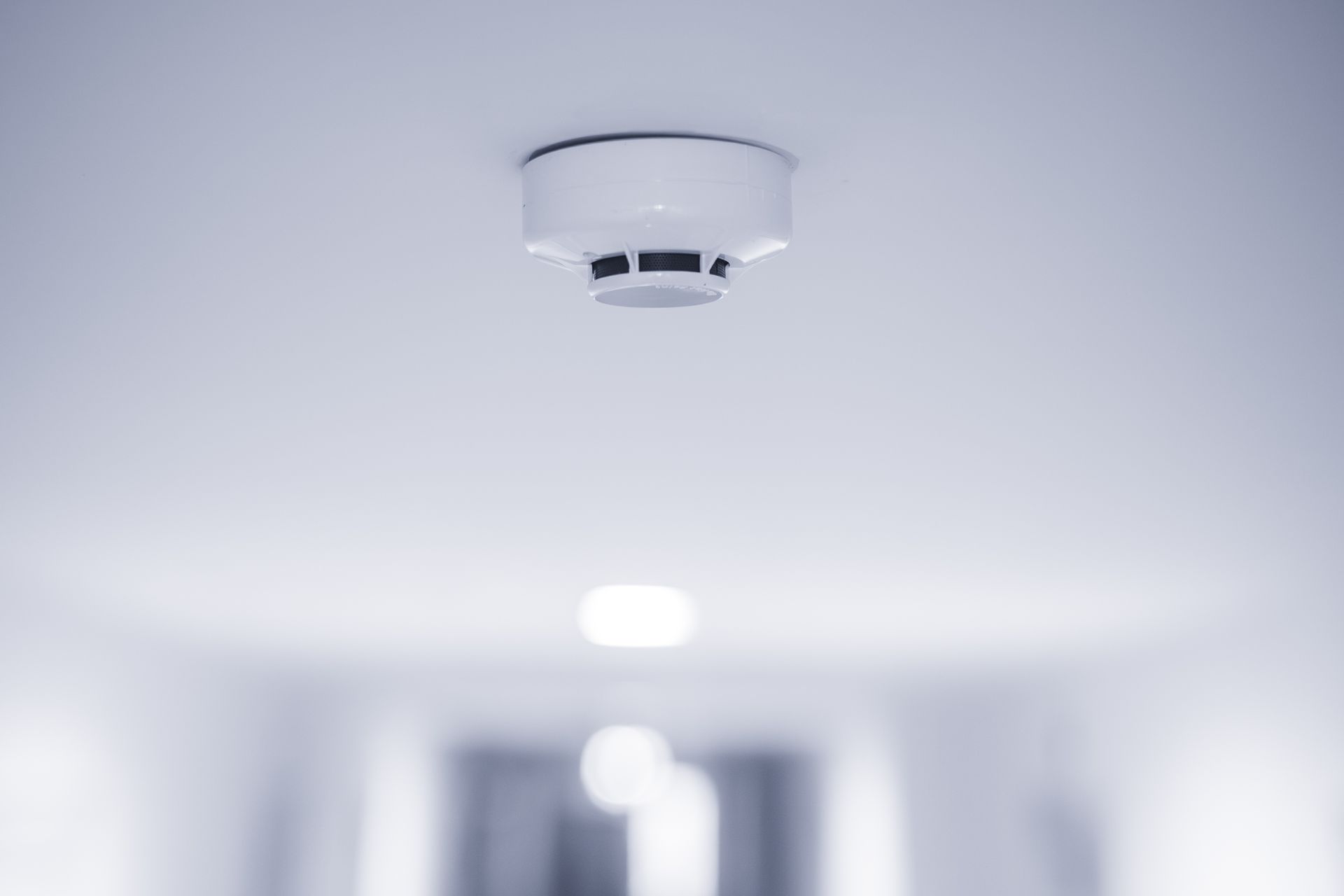
Inside every smoke alarm is a sensing chamber that relies on either ionization or photoelectric technology. Over months and years, microscopic dust particles and humidity build up on these sensitive components. This accumulation coats the sensors and reduces their ability to read the surrounding air accurately. Eventually, the hardware reaches a point where it cannot recognize a smoldering fire.
The Standard Smoke Detector Replacement Timeline
Many residents ask exactly how often they need to replace their whole smoke detector to stay compliant with modern safety standards. The industry rule is exactly ten years from the date of manufacture printed on the back of the device. Once that decade passes, the unit is officially expired and cannot be trusted to perform during an emergency. We find many homes in Olathe, KS, still relying on yellowed, obsolete units installed over fifteen years ago.
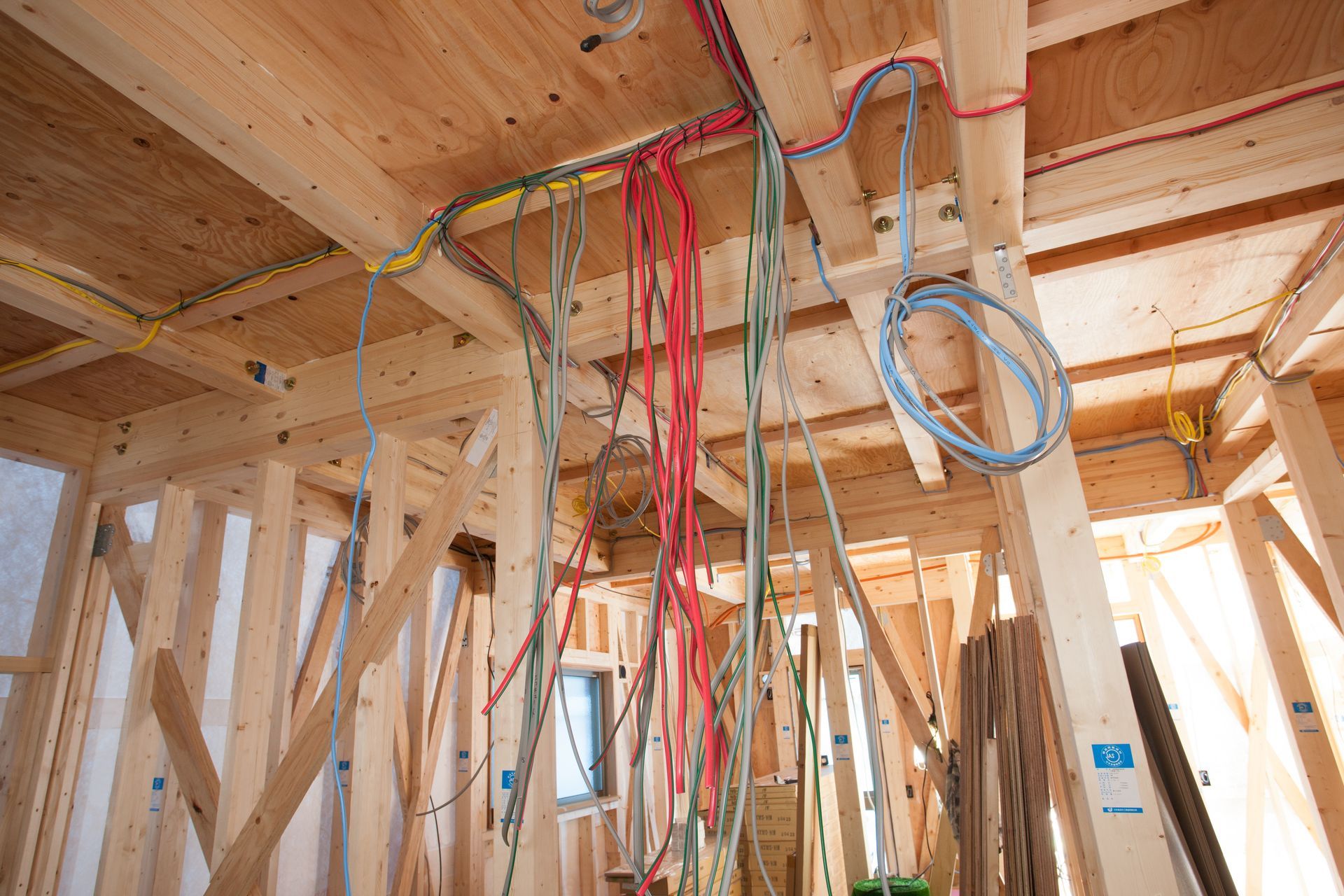
Upgrading an entire network of alarms sometimes involves tricky ceiling access or updating old wiring loops. Our team handles these exact scenarios daily to ensure your property remains protected.
► Client Experience: They did a awesome job. Got it done quickly considering some of the challenges they had to overcome. Highly recommend. Thanks, Hank - Khan Dinning
Overcoming difficult residential layouts is a standard part of our daily work to get your safety network online.
Upgrading to Interconnected Systems
Modern safety codes require a unified approach to residential fire detection. We handle electrical upgrades that link all alarms in your house together. When one unit detects a problem in the basement, the alarms in your upper bedrooms sound simultaneously. This interconnected setup provides precious extra minutes for your family to react.
Securing Your Household
Relying on outdated hardware puts your property and your family at unnecessary risk. We ensure every wire is correctly and safely placed to keep your detection network active. Book an appointment today to evaluate your current setup and install new detectors.
Share This Blog