The Real Reason Your House Lights Flicker When Appliances Turn On
Sitting in the living room and watching the lamps dim randomly can be unsettling for any homeowner. The team at TrueVolt Electric frequently answers calls from people concerned about failing lightbulbs or faulty fixtures. The truth behind this common household symptom is rarely found at the switch or the socket. Investigating lights flickering when an appliance turns on usually points directly to your central panel and wiring capacity.
Motors inside heavy appliances require a massive surge of power just to start spinning. When your household circuits are not equipped to handle that initial draw, the local grid inside your home suffers a voltage drop. Most people get this wrong by trying to install different smart bulbs or dimmer switches. Finding a permanent fix requires looking at the actual electrical load and the physical connections inside your breaker box.
What you will find below:
- Inrush Current: Understanding motor startup demands.
- Shared Circuits: The problem with overloaded pathways.
- Loose Neutrals: Identifying hidden wiring hazards.
- Panel Capacity: Knowing when an upgrade is required.
The Mechanics of Voltage Drops
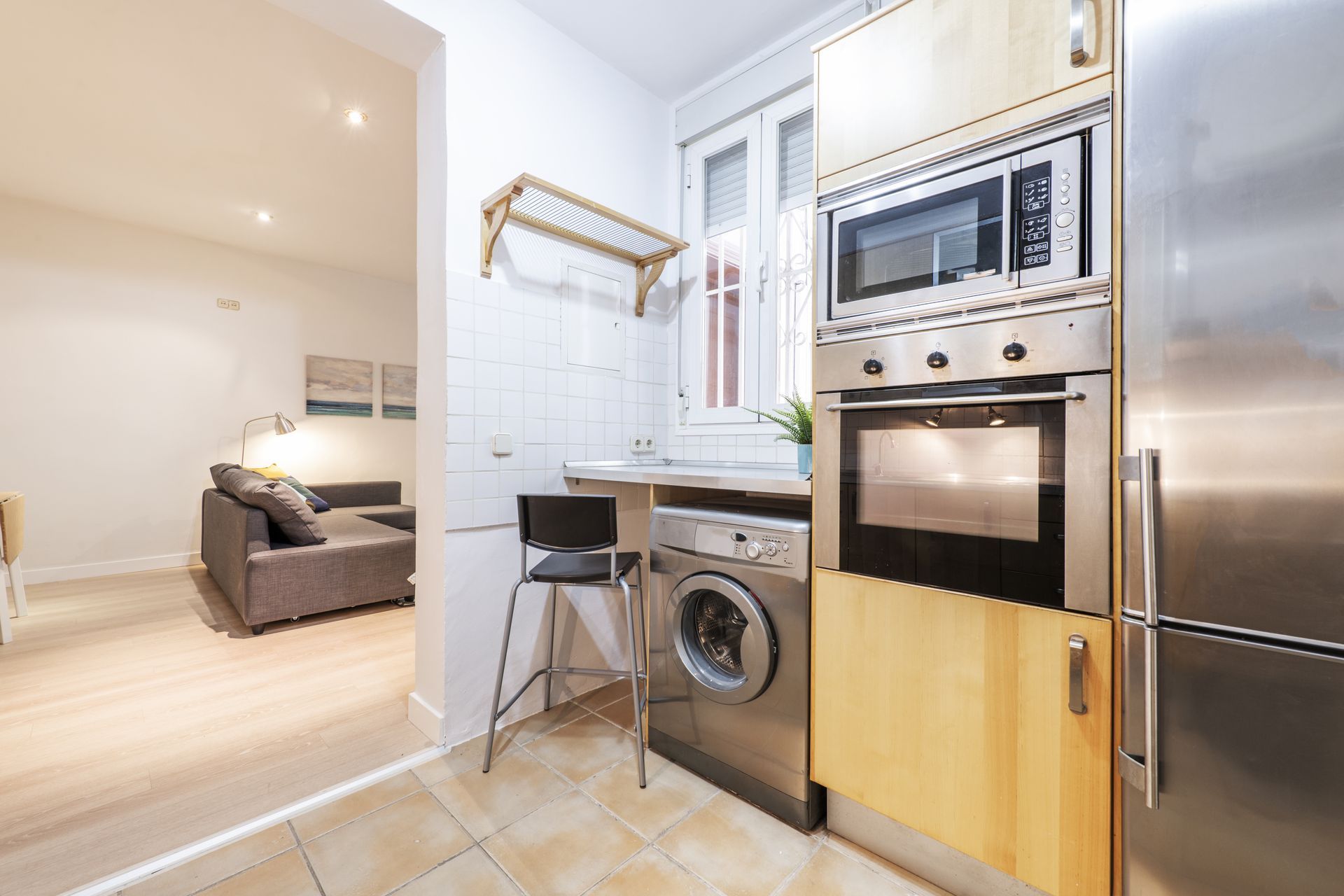
A heavy motor needs three to four times its normal running current just to break inertia and start moving. When people ask why their lights dim when the fridge turns on, this sudden demand for electricity is the primary reason. The compressor motor in the refrigerator pulls so much current so quickly that it momentarily starves the lighting circuits. If the lights dim slightly and recover instantly, it is just normal motor startup behavior.
When Lights Flickering When Appliance Turns On Indicates structural trouble
There is a distinct line between a momentary dim and a prolonged, severe flicker that requires attention. If the lights drop significantly in brightness or take several seconds to recover, your circuits are struggling. Homes across Johnson County, KS, frequently experience this when modern high-efficiency appliances are plugged into outdated setups. We regularly handle service calls and troubleshooting to identify exactly where the system is choking.
Addressing Loose Connections and Shared Pathways
Another major culprit behind unstable lighting is a loose neutral wire inside the main service panel. The neutral wire manages the returning current and keeps voltage balanced across your property. When this connection loosens due to age or thermal expansion, turning on a vacuum or microwave sends unstable voltage to your lights. Proper electrical repairs involve tightening these connections and installing dedicated circuits for those heavy machines.
Stabilizing Your Home Grid
Ignoring persistent voltage drops puts unnecessary strain on your sensitive electronics and your panel. Proper troubleshooting addresses the root cause instead of just treating the symptom. Connect with us to schedule an evaluation of your circuits and stop the flickering for good.
Share This Blog