What To Check Before Buying A Level 2 EV Charger For Your Home
Making the switch to an electric vehicle is exciting until you realize how long it takes to charge off a standard garage wall plug. TrueVolt Electric talks to many Kansas City drivers who buy an expensive charging unit online only to find out their house cannot support it. Getting ready for fall commutes across Johnson County KS means ensuring your charging setup is reliable and fast. Rushing into an EV Charger Installation without checking your property specs often leads to tripped breakers and wasted money.
A professional site assessment reveals exactly what your home can handle before you purchase any hardware. Fast chargers draw a massive amount of continuous current that older residential panels were never designed to carry. Knowing what to look for and what to ask a contractor prevents dangerous overloads and unexpected upgrade costs. This guide walks you through the essential checks you need to make before booking a professional setup.
What We Cover:
- Understanding Your Current Electrical Panel Capacity
- Does a Level 2 EV charger require a dedicated electrical circuit?
- Red Flags To Watch For During An EV Charger Installation
- Questions You Must Ask Before Booking Your Setup
- Getting Your Garage Ready For Electric Driving
Understanding Your Current Electrical Panel Capacity
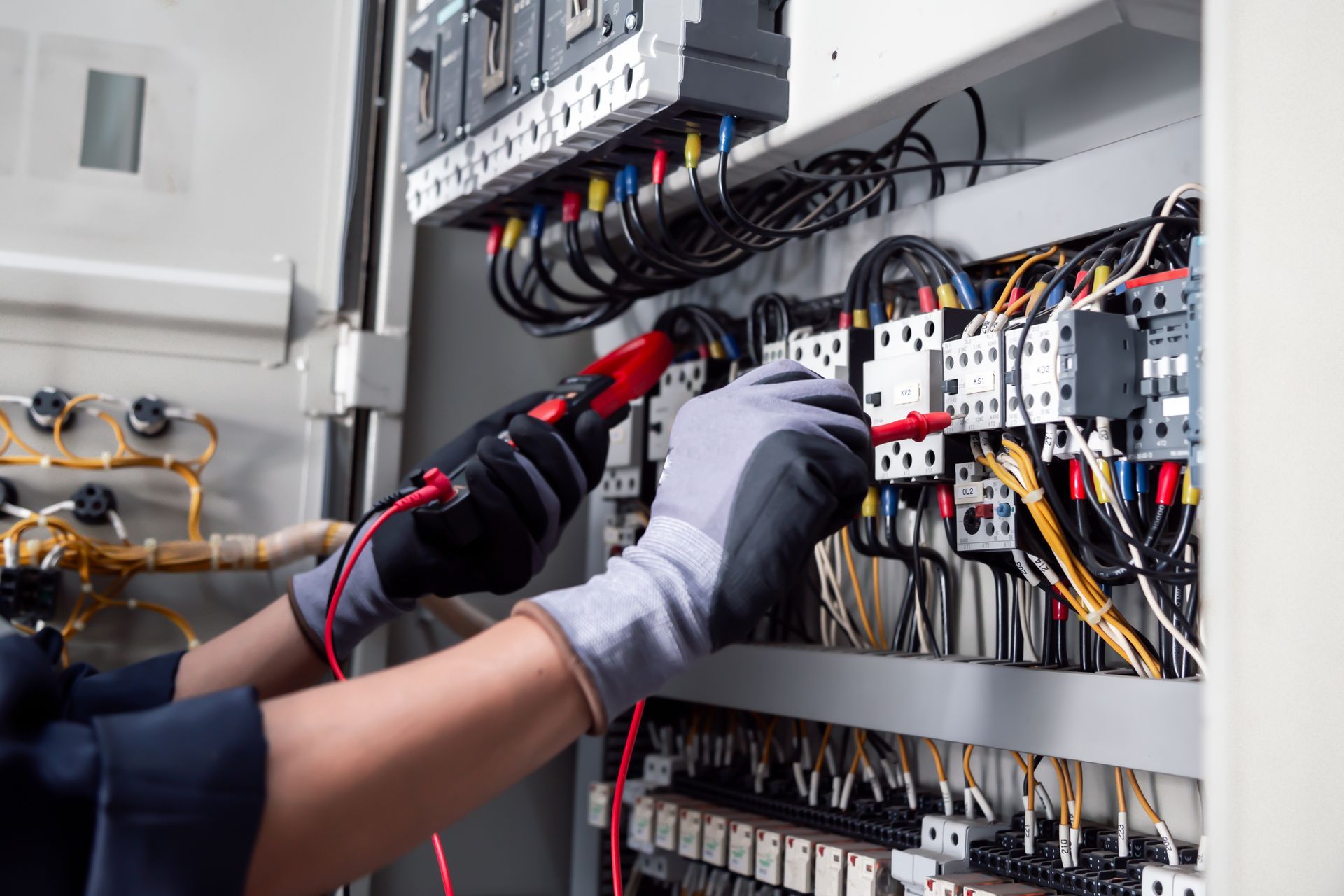
Before you order a fast charger, you must look at the main breaker box powering your property. Most modern homes need at least a two hundred amp service to comfortably run an electric vehicle alongside normal household appliances. If your panel lacks capacity, we can perform necessary electrical upgrades to safely support the new load.
• Total Amperage: Check the main switch at the top of your panel to see if it reads one hundred or two hundred amps.
• Physical Space: Look for open slots in the breaker box where a new double pole breaker can fit safely.
• Existing Load: Consider if heavy appliances like an electric dryer or air conditioning unit run at the same time you plan to charge.
Does a Level 2 EV charger require a dedicated electrical circuit?
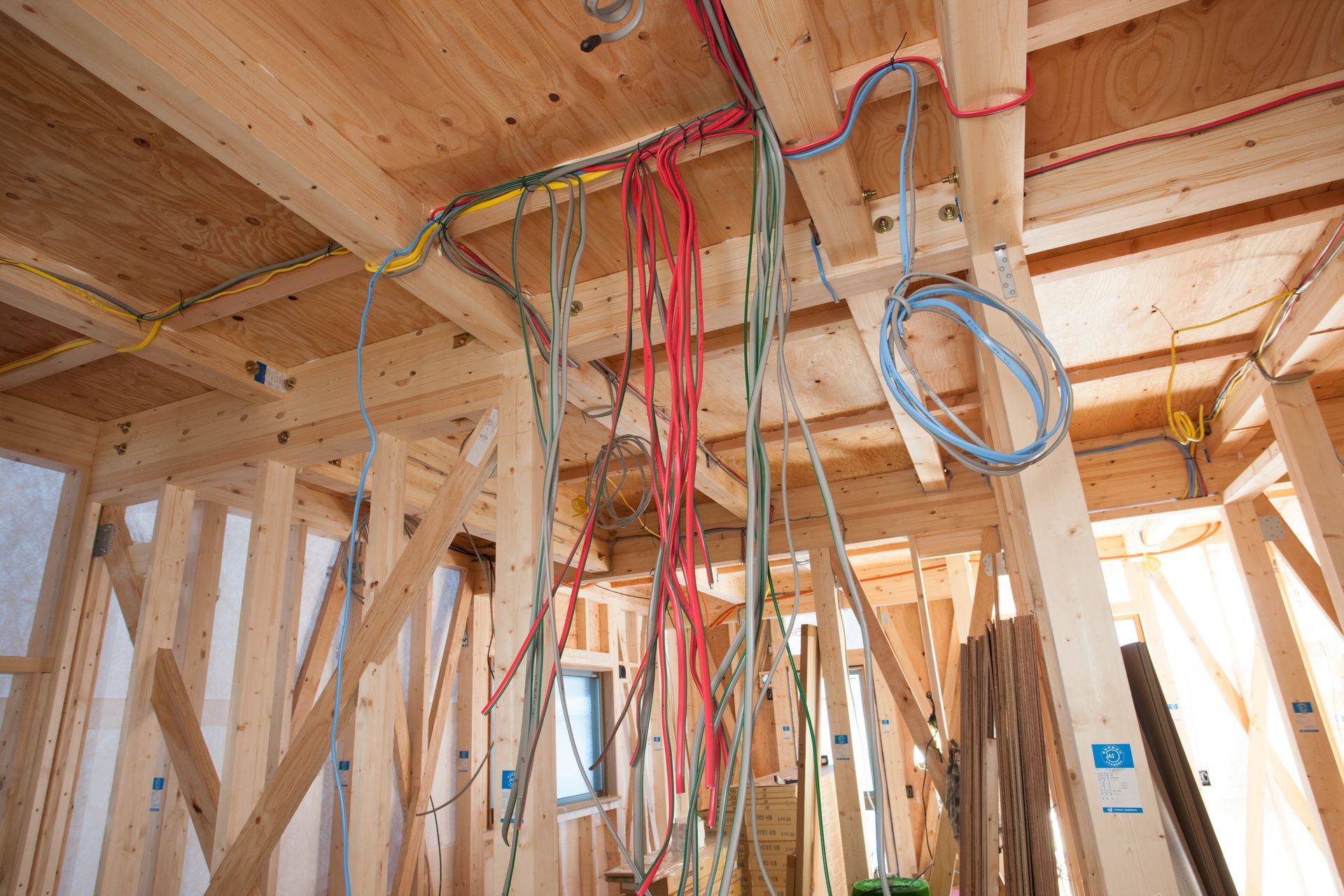
Yes, pulling that much continuous power requires a dedicated circuit that serves only the charging station. Sharing this line with other garage outlets will immediately overload the wiring and trip the breaker. A licensed contractor will run thick gauge copper wire directly from your main panel to the exact location of your new charging unit to ensure complete safety.
Red Flags To Watch For During An EV Charger Installation
Not every contractor understands the specific continuous load requirements of electric vehicle equipment. Hiring someone who cuts corners puts your expensive vehicle and your property at risk.
• Avoiding Load Calculations: Run away from any installer who promises to hook up a charger without first calculating your total household electrical demand.
• Reusing Old Wiring: Be wary of electricians who offer to splice into existing dryer or oven circuits instead of running fresh lines.
• Skipping Permits: Reject any quote that suggests bypassing the local municipal permitting process to save time or money.
Walking homeowners through these technical details is a core part of doing the job right the first time. It is a pattern the team at TrueVolt Electric hears regularly when helping clients navigate major home electrical improvements.
► Client Experience: Really helpful and professional! We’re first time homebuyers when we hired Justin and he helped us with a lot of much needed work and education. Our new go to guy!
Taking the time to understand your system ensures you get a safe and effective charging solution.
Questions You Must Ask Before Booking Your Setup
Getting clear answers from your electrician ensures your charging station will perform safely night after night. You want a contractor who treats this as a major structural upgrade rather than a quick plug replacement.
• Hardwired Or Plug In: Ask whether they recommend hardwiring the unit directly or installing a heavy duty receptacle based on your specific charger model.
• Code Compliance: Request confirmation that all wiring methods and conduit choices meet current local codes for garage or exterior environments.
• Future Upgrades: Inquire if the proposed wiring can handle even faster charging speeds if you purchase a larger vehicle down the road.
Getting Your Garage Ready For Electric Driving
Securing the right answers and the right capacity now makes plugging in your vehicle completely stress free. Having a reliable setup means you start every morning with a full battery and zero worries about your home wiring. Contact our office to schedule a thorough site assessment and get your property prepared for fast charging today.
Share This Blog