5 Signs Your Electrical Panel Cannot Handle Modern Appliances
TrueVolt Electric often visits older properties across Wyandotte County KS and Jackson County MO where homeowners are eager to install new comfort features. From high speed electric vehicle chargers to professional grade kitchen ranges, modern household gear demands more juice than ever before. If your home still relies on its original electrical panel, you might be pushing your system past its safe operational limits without realizing it.
Ignoring the warning signs of an overloaded breaker box can lead to costly equipment breakdowns or sudden safety hazards. Investing in a professional system upgrade ensures your electrical network keeps pace with your household electricity demands. Recognizing when your existing panel is failing under the weight of new appliances is the first step toward protecting your property and family.
What We Cover:
- Tip #1: Watch For Flickering Lights During Appliance Cycles
- Tip #2: Check For Discolored Screws And Thermal Degradation
- Tip #3: Listen For Hissing Or Crackling Inside The Box
- Tip #4: Monitor Multi Wire Branch Circuits For Neutral Overloading
- Tip #5: Note The Total Amperage Rating On Your Main Breaker
- Frequently Asked Questions
- Keeping Your Home Up To Modern Standards
Tip #1: Watch For Flickering Lights During Appliance Cycles
When your cooling systems or modern laundry units kick on, they draw a large initial burst of current. If your breaker box lacks sufficient capacity, this sudden draw causes a temporary voltage drop across your household lines.
• Visible Dimming: Overhead lamps drop in brightness whenever the refrigerator compressor engages.
• Slow Recovery: LED bulbs stay dim for several seconds before returning to their normal light output levels.
• Circuit Interruption: Computer monitors or smart home hubs reset themselves during heavy equipment startup periods.
Tip #2: Check For Discolored Screws And Thermal Degradation
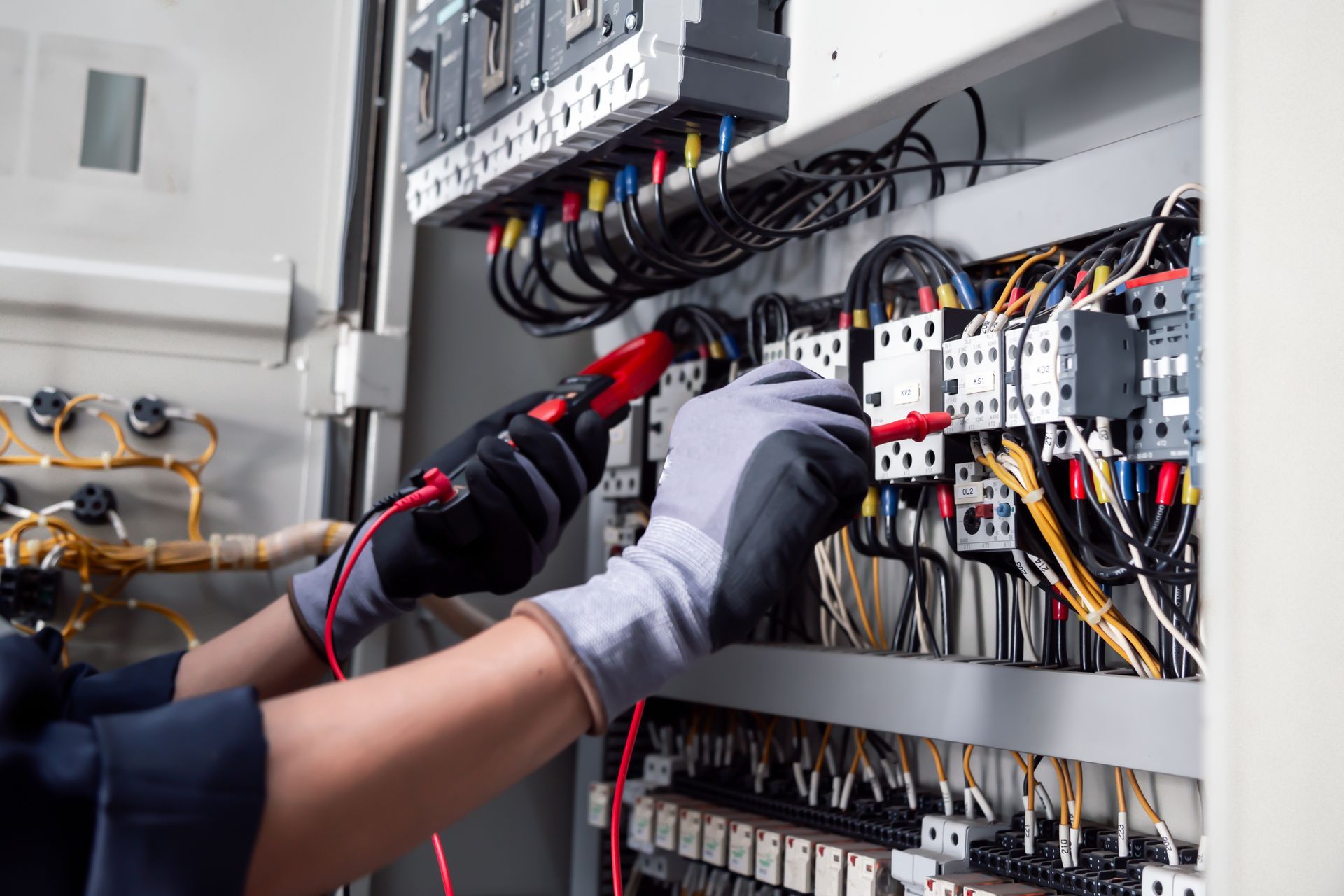
Over time, loose terminal connections inside an outdated panel create high resistance points that generate extreme heat under normal operational loads. This trade phenomenon can warp internal components long before a standard breaker trips.
• Metal Discoloration: Terminal screws or copper bus bars show a dark blue or rainbow tinted finish from high temperatures.
• Plastic Warping: The plastic casing around individual circuit breakers appears deformed or slightly melted near the contact points.
• Warm Panel Door: The exterior metal cover of your electrical box feels hot to the touch during peak power usage hours.
This is something clients notice firsthand when upgrading older properties in the area. It is a pattern the team at TrueVolt Electric hears regularly during home service visits.
► Client Experience: Justin Rounbehler of truevolt took care of at least a dozen problems in my house not to even mention upgraded 200 A panel like under cabinet lighting and dimmers retired can lights and art lights. Such an excellent job from a true pro. I’d recommend him for any electrical work!
Catching these thermal warning signs early allows property owners to resolve hidden dangers before they turn into major wiring failures.
Tip #3: Listen For Hissing Or Crackling Inside The Box
A healthy electrical panel operates silently without producing noticeable sound patterns. Regular buzzing or clicking sounds indicate that electricity is jumping across loose connections or worn out breaker clips.
• Severe Arcing: Persistent crackling noises indicate live current is actively jumping gaps in your wiring system.
• Weak Breaker Clips: A low hum indicates that the mechanical clip holding the breaker to the live bus bar has lost its tension.
• Damaged Outlets: Sound patterns travel from the main box out to nearby wall receptacles when running heavy kitchen tools.
Tip #4: Monitor Multi Wire Branch Circuits For Neutral Overloading
Older homes often utilize shared neutral wires to handle multiple circuits, a method that struggles under the burden of modern computer power supplies and electronic appliances. This trade reality can cause the neutral wire to overheat even if individual hot wires stay below their trip limits.
• Shared Neutrals: Multiple breaker switches connect back to a single white common return wire inside the enclosure.
• Harmonic Distortion: Modern digital appliances create electrical feedback that amplifies heat generation on shared lines.
• Voltage Imbalance: Outlets show erratic voltage readings when tested with standard multimeters during peak usage.
Tip #5: Note The Total Amperage Rating On Your Main Breaker
Many residential properties built several decades ago operate on sixty amp or one hundred amp main service lines. Modern living standards generally require a minimum of two hundred amps to handle standard HVAC equipment, cooking tools, and vehicle charging stations safely.
• Low Service Caps: The main toggle switch at the top of your panel reads one hundred amps or less.
• Crowded Breaker Slots: Double tandem breakers are packed into every available slot to squeeze in extra household circuits.
• Subpanel Dependency: Multiple auxiliary breaker boxes are chained together to bypass the limits of the main enclosure.
Frequently Asked Questions
How much does it cost to upgrade an electrical panel?
The total investment varies based on the overall complexity of your home setup and any structural challenges. A standard service increase involves replacing the main enclosure, running new service entrance cables, and installing code compliant grounding rods. Property owners can expect clear pricing matching the specific requirements of local building codes in Cass County MO.
What happens if a circuit breaker is constantly tripping?
A breaker that cuts power repeatedly is performing its safety function to prevent faulty electrical wiring from starting a property fire. This usually indicates either a dangerous short circuit or an overloaded line where too many appliances run at once. Continuing to reset a tripping switch without fixing the root cause will quickly degrade the internal mechanism and create a serious fire hazard.
How long do residential electrical panels usually last?
Most standard home breaker enclosures have an operational lifespan of roughly thirty to forty years before mechanical wear takes a toll. Internal springs lose their tension, copper bus bars oxidize, and plastic parts become brittle over decades of use. Routine safety checks help identify these silent failure points before they lead to an emergency outage.
Keeping Your Home Up To Modern Standards
Addressing an outdated breaker box keeps your home efficient and ready for future technology additions. Moving forward with a necessary property enhancement removes the stress of frequent breakdowns and safety worries. Taking care of these hidden hazards allows your entire electrical network to perform reliably through every season.
The crew at TrueVolt Electric provides certified home generator wiring services and complete panel modernizations for families throughout Olathe KS. We focus on clear communication and reliable execution so you always know exactly how your project stands. Contact our office today to request a professional safety check and secure your peace of mind.
Share This Blog