Why Extension Cords For Portable Generators Are A Huge Safety Risk
TrueVolt Electric sees many homeowners pick up a portable generator to keep the lights on during late summer storm season in the Kansas City metro. It feels like a quick fix when the grid goes down. You pull the machine out of the garage, pull the cord, and start running thick plastic lines through open windows to power your fridge and box fans. It gets you through the night, but relying on a web of extension cords creates hidden hazards that put your property and family at serious risk.
The real answer to safe temporary backup power does not involve loose cords dragging across your floor. Professional installation of manual Transfer Switches creates a dedicated, permanent connection between your portable unit and your home breaker panel. This method eliminates the fire hazards of overloaded lines and keeps your home secure. Understanding why extension cords fail helps you make the right choice for your property before the next major outage hits your neighborhood.
In This Article:
- The Hidden Fire Hazards Of Overloaded Extension Lines
- Why DIY Backfeeding Makes Generator Dangers Much Worse
- Is it safe to plug a generator directly into a wall outlet?
- The Permanent Solution of Professional Transfer Switches
- Securing Your Power Connection Before Next Storm
The Hidden Fire Hazards Of Overloaded Extension Lines
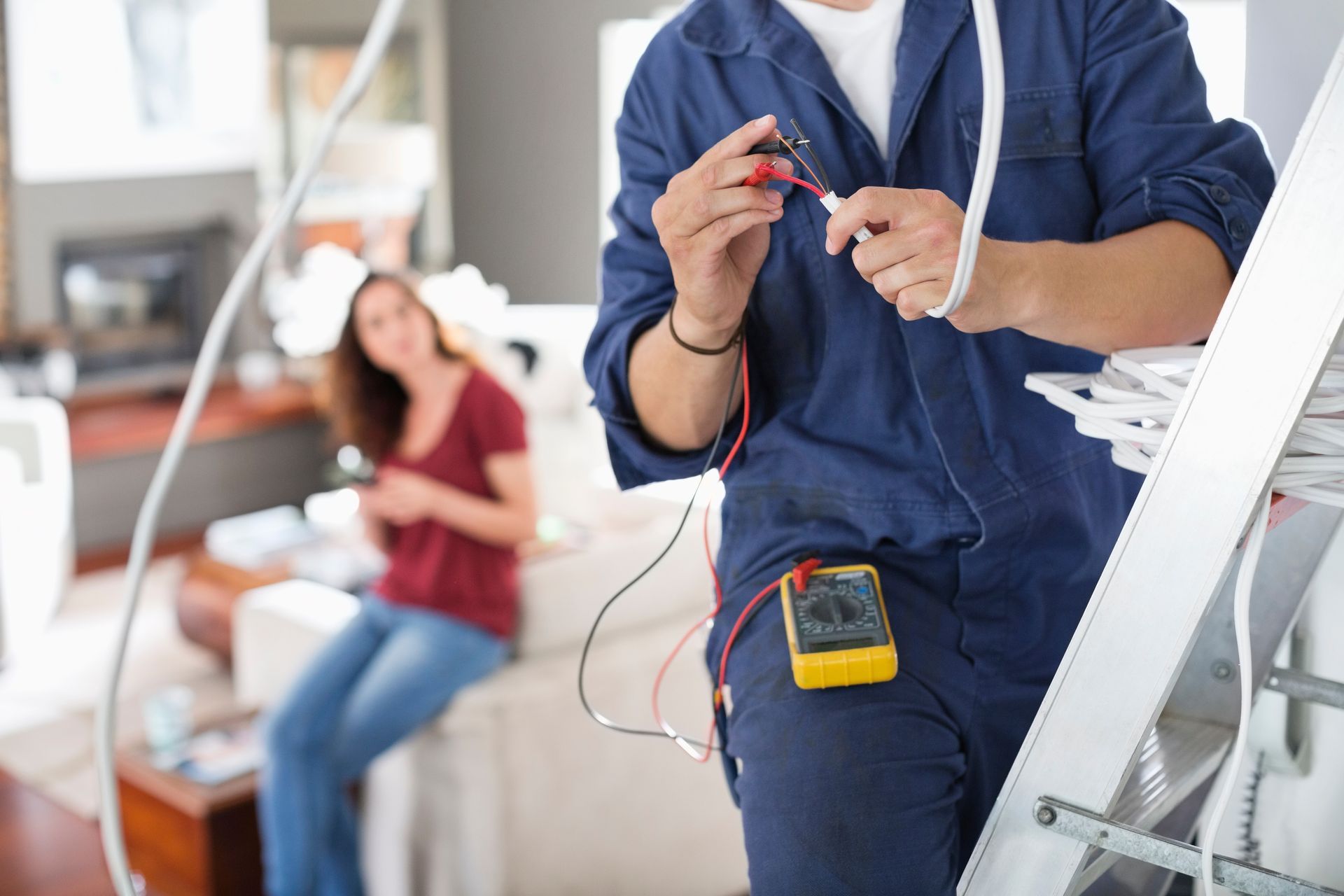
When you run heavy duty extension lines from the yard into your living room, you are forcing a massive amount of electric current through temporary conductors. Most retail cords are not rated to handle the simultaneous startup wattage of a refrigerator, a portable air conditioner, and home electronics. As these appliances cycle on, the wires inside the cord heat up rapidly under the strain. This heat can melt the rubber insulation without ever tripping a breaker on the generator, creating a direct fire hazard against your carpets or drywall.
Leaving windows or doors cracked open to bring wires inside also introduces carbon monoxide risks if the generator is positioned too close to the house structure. TrueVolt Electric technicians frequently notice cords pinched under window frames, which breaks down the internal copper strands and creates hot spots. These damaged areas can spark an electrical short long after the power comes back on.
→ A quick tip to remember: Standard extension lines degrade quickly when exposed to moisture and foot traffic, making them unreliable for heavy appliance loads.
Why DIY Backfeeding Makes Generator Dangers Much Worse
Many property owners try to bypass a long web of extension lines by building a double male cord to plug the generator directly into a standard wall outlet. This amateur method is known as backfeeding, and it is one of the most dangerous things you can do to an electrical system. When you push power backward through your home circuits, that electricity does not stop at your main panel. It travels right out to the utility lines on your street, stepping up to thousands of volts through the local transformer.
This unintended power surge puts line workers at risk of electrocution while they are trying to restore the local grid. If the main utility power suddenly switches back on while your generator is backfeeding, the opposing currents will collide with massive force. This instantly destroys your generator, melts your home breaker panel, and can spark an immediate electrical fire.
→ From a professional standpoint: Attempting a DIY workaround to avoid professional installation costs often results in catastrophic equipment failure and voided insurance policies.
Is it safe to plug a generator directly into a wall outlet?
The short answer is no, it is never safe to plug a portable power source straight into a standard household outlet without a physical barrier separating your system from the utility grid. Without code compliant isolating hardware, you have no way to control where that electric current travels. Local building codes in Olathe KS strictly forbid this practice because of the extreme risk of property damage and personal injury.
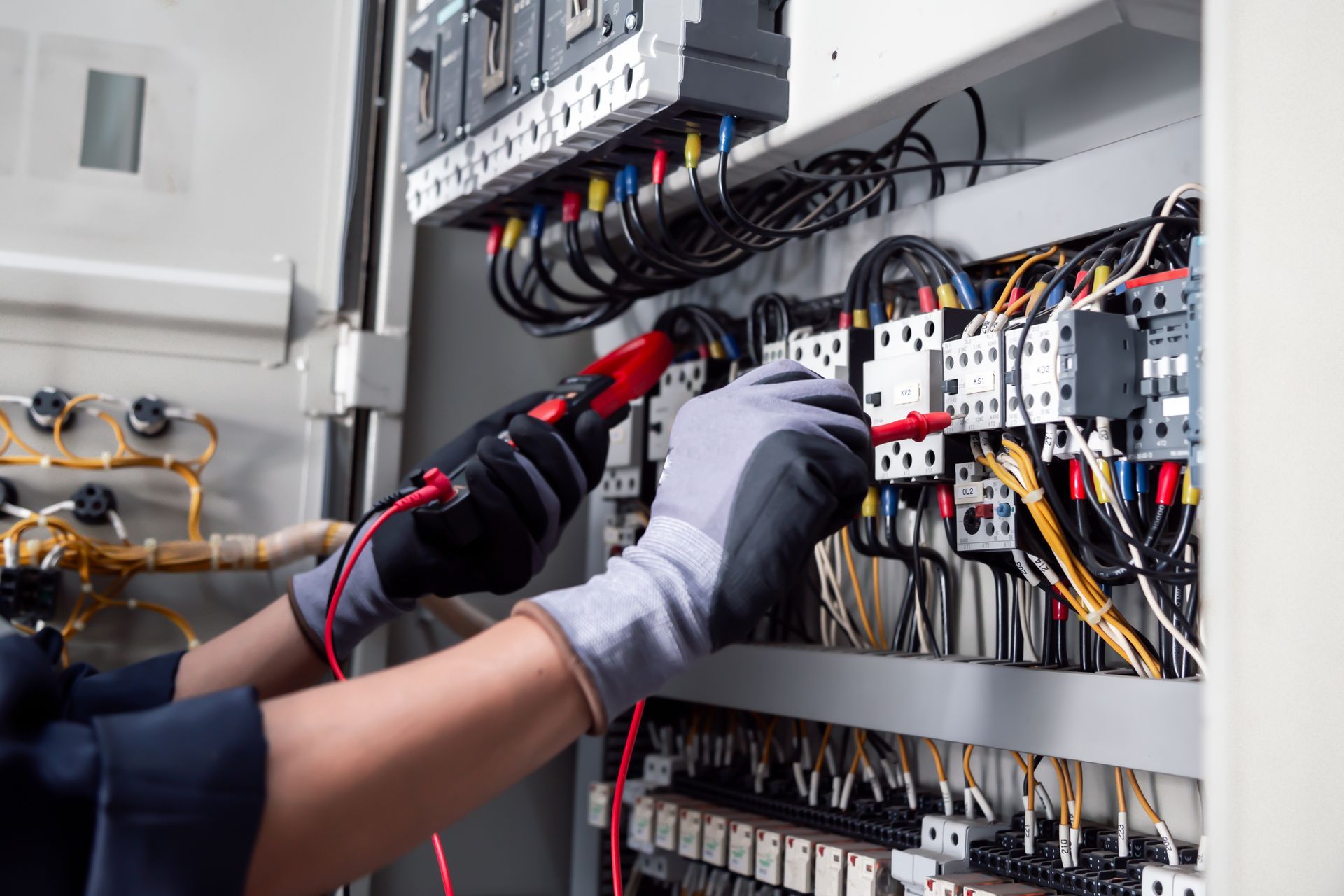
Even if you remember to flip off the main breaker, a manual error or a failing breaker switch can allow voltage to bleed onto the street network. Licensed contractors use specialized tools like voltage testers and circuit analyzers to ensure your backup power stays isolated within your home lines.
→ A quick tip to remember: Safe power transfer solutions require a physical mechanism that guarantees your home cannot connect to the generator and the utility lines at the same time.
The Permanent Solution of Professional Transfer Switches
Installing a manual or automatic transfer switch is the only approved method for connecting temporary power to your building. This device mounts directly next to your main electrical panel and acts as a traffic cop for your electricity. When the utility power drops out, you flip the switch to disconnect from the grid completely before opening the pathway for your generator. This allows you to safely run essential systems like well pumps, furnace fans, and kitchen circuits using your standard home wiring.
A professional installation of transfer switches begins with carefully calculating the total wattage required for your essential appliances. TrueVolt Electric matches the load capacity of the switch to your specific portable or inverter generator model, ensuring you never overload the system. This setup keeps your home fully code compliant and ready for any emergency response situation.
→ From a professional standpoint: Hardwired transfer switches protect your household electronics from erratic voltage drops and safeguard utility workers down the line.
Securing Your Power Connection Before Next Storm
Ending an outage safely requires moving away from temporary extension lines and investing in reliable infrastructure. Preparing your property for the unexpected means looking at how your backup systems interact with your existing electrical panel. Taking care of these upgrades during calm weather ensures your family stays warm, safe, and fully powered when the next line of storms moves through the region.
The team at TrueVolt Electric works with residential property owners throughout Johnson County KS and Miami County KS to install certified generator wiring components. We help you choose the right configuration for your specific standby or portable setup so you never have to scramble with loose wires in the dark. Reach out to a licensed professional today to secure your home backup system and protect your investment.
Share This Blog